Why Much More Families Are Choosing Assisted Living for Loved Ones
Business Name: BeeHive Homes of Lamesa TX
Address: 101 N 27th St, Lamesa, TX 79331
Phone: (806) 452-5883
BeeHive Homes of Lamesa
Beehive Homes of Lamesa TX assisted living care is ideal for those who value their independence but require help with some of the activities of daily living. Residents enjoy 24-hour support, private bedrooms with baths, medication monitoring, home-cooked meals, housekeeping and laundry services, social activities and outings, and daily physical and mental exercise opportunities. Beehive Homes memory care services accommodates the growing number of seniors affected by memory loss and dementia. Beehive Homes offers respite (short-term) care for your loved one should the need arise. Whether help is needed after a surgery or illness, for vacation coverage, or just a break from the routine, respite care provides you peace of mind for any length of stay.
101 N 27th St, Lamesa, TX 79331
Business Hours
Families hardly ever get to the choice to check out assisted living in a tidy, clean moment. Regularly, it starts with a couple of small concerns that maintain accumulating. A parent fails to remember a meal, misses medication, or has a hard time to rise from a low chair. A partner starts silently doing more of the home tasks, then more of the individual care, after that even more of the emotional hefty training that features trying to keep whatever stable. For some time, several family members absorb it as component of normal aging. Then eventually, the equilibrium changes. Safety matters greater than pride. Uniformity matters greater than maintaining appearances. Comfort begins to exceed the old assumption that staying at home, regardless of what, is constantly the most effective option.
That change clarifies why assisted living has come to be such a functional option for many homes. It is not about quiting. It has to do with matching the level of support to the real demands of an individual whose life has actually become harder to handle alone. For several older adults, assisted living supplies the ideal happy medium. It maintains self-reliance while including assist with meals, bathing, drug suggestions, housekeeping, transportation, and social connection. For families, it can soothe a kind of pressure that has silently spread out with life for months or years.
The point where home begins to feel too big
A great deal of people imagine the relocate to assisted living as a remarkable break. In reality, it normally outgrows a lengthy series of functional stress. The house might still be full of memories, however it can likewise come to be a place of journey risks, forgotten expenses, and unopened mail. Even acquainted regimens become harder when vision, balance, memory, or endurance start to slip.
I have seen family members wait until a loss, a medical facility keep, or a medicine mistake forces the concern. That delay is reasonable, however it frequently makes the change harder than it needs to be. A person who has been separated for months may be deeply immune to change. A household that has actually been improvisating care for a long period of time may already be tired, which shadows judgment and makes every discussion much more emotional than it needs to be.


Assisted living comes to be attractive when individuals realize that the issue is not one isolated task. It is the buildup of small losses. Morning meal gets missed. Laundry accumulate. A medical professional's visit is missed out on because nobody can take some time off job. One relative begins fielding every phone call. An additional quietly quits sleeping well. At that phase, senior living is less concerning way of life preference and more about bring back a convenient structure to daily life.
What assisted living in fact provides
The term seems broad because it is wide. Assisted living neighborhoods are developed for older adults that wish to keep as much self-reliance as possible, while getting help in locations that have come to be difficult. That typically consists of assistance with clothing, bathing, brushing, meals, tips, movement support, and house cleaning. Many areas additionally provide drug administration, transportation, wellness checks, and arranged activities.
The information issue. A good area does not try to take over a resident's life. It constructs a support group around it. Somebody can still pick when to wake up, what to consume, whether to join an activity, and just how to invest the afternoon. The distinction is that aid is readily available when needed, without transforming every task right into a family emergency.
That distinction is why lots of people searching for senior care near me wind up considering assisted living before they take into consideration a nursing center. The relocation is not regarding overall medical dependence. It has to do with discovering day-to-day assistance in a setup that really feels convenient, social, and safeguard. For lots of older grownups, that is the pleasant spot.
Relief for household caregivers is a significant factor
One of the most undervalued reasons families select assisted living is caretaker exhaustion. Adult youngsters often begin by helping a little, after that a little more, till they are properly taking care of an additional person's life together with their very own. They might be balancing job, their own children, consultations, home responsibilities, and continuous worry about a parent who is no longer safe alone.
That stress takes a toll. It can strain marital relationships, lower work efficiency, and create bitterness that no one wants to admit out loud. It likewise transforms partnerships. A child who used to ask for a chat becomes the person taking care of prescriptions and cleaning the refrigerator. A partner ends up being both partner and nurse, which can be deeply painful for everybody involved.
Assisted living does not eliminate those emotions, however it can place the family back into a healthier duty. Instead of being the only line of defense, relatives can return to being family members once again. Visits come to be a lot more concerning discussion and link, much less regarding duties and situation monitoring. That change is usually what people suggest when they say they lastly felt like they can breathe.
Respite care can additionally play a vital duty below. For households that are not all set for a permanent relocation, short-term remains can supply alleviation after a surgical treatment, throughout a caregiver holiday, or while everybody finds out the following step. In method, respite care usually comes to be a bridge. It offers family members a method to evaluate what living in an encouraging neighborhood seems like prior to making a complete commitment.
Safety worries are typically the transforming point
Most households do not choose assisted living since they want a more polished dining room or a calendar of activities, though those points can matter. They select it because they are worried. A loved one might be leaving the stove on, failing to remember to secure the door, straying outside at the wrong time, or taking medications incorrectly. Also one major fall can transform the entire conversation.
Safety in your home can frequently be enhanced, however just to a point. Order bars, far better lights, and home alterations help. So does in-home care. Still, many homes remain challenging to navigate, especially if they were developed years earlier for a younger body and a sharper memory. Stairways, narrow shower rooms, messy areas, and long strolls to the cooking area or mail box all include risk.
In assisted living, those threats are reduced through layout and regimen. Corridors are much easier to navigate. Restrooms are adapted. Employee are present throughout the day. Dishes are served on a trusted timetable. There is a person nearby if a resident really feels weak or ends up being confused. That may sound basic, yet simple is frequently what brings households the most relief.
Social connection issues greater than individuals expect
Loneliness can be as destructive as any type of physical restriction. It does not constantly reveal itself loudly. Sometimes it appears as skipped meals, a tv that remains on all day, or a hesitation to leave the house due to the fact that getting clothed seems like too much effort for inadequate incentive. Family members often observe that a parent is not just aging, however diminishing inward.
This is one factor senior living areas have actually ended up being extra attractive. Assisted living can recover the rhythms of day-to-day call that many older adults lose at home. There are neighbors down the hall, shared dishes, planned events, and staff that discover names, practices, and choices. For a person that has actually gone days without a real discussion, that type of setting can be transformative.
I have listened to family members say they were stunned by exactly how swiftly their loved one improved as soon as the social piece was addressed. Not every resident comes to be outgoing, and not every activity is a best fit. However the basic act of being around individuals once more can improve state of mind, hunger, and motivation. Sometimes a person does not require a significant treatment. They need factors to stand up, obtain dressed, and step outside their room.
The choice is hardly ever about one concern alone
People usually search for assisted living near me when they are in the center of a challenging mix of issues. Perhaps a parent has early dementia and likewise diabetes mellitus. Maybe a partner can still walk separately yet can not handle medications securely. Perhaps the individual is recovering from a hospitalization and the family members understands that a go back to the old regimen is no longer realistic.
This is why the choice is so individual. Assisted living is not a one-size-fits-all solution, and it is not always the ideal solution forever. Some homeowners require it for a year after a significant wellness event and then go on. Others clear up in and stay for several years. What matters is whether the atmosphere matches the present level of requirement, not whether it matches some visualized ideal.
Families in some cases hold-up due to the fact that they want assurance, and assurance is seldom available. What they generally have is proof. Missed dosages. Leftover meals. Swellings from drops. Complication concerning days. An expanding heap of unopened declarations. A daughter who is fielding phone calls from next-door neighbors, pharmacologists, and medical professionals since nobody else can keep track of everything. At some point, the pattern ends up being clear also if no single case feels decisive.
What family members gain past sensible support
There is a quieter advantage to assisted living that people do not constantly mention at first. It can offer family members back some emotional sincerity. When each day is a scramble to take care of medicine, dishes, cleaning, transportation, and safety, there is little space for the more human parts of care. Problem gets ingested by logistics.
Once the burden eases, family members frequently find what they miss the majority of. They can bring a favored treat rather than a tablet organizer. They can rest and listen without seeing the clock. They can ask questions about youth, leisure activities, dishes, or old stories that had been crowded out by the demands of caregiving. That issues. Relationships should have greater than triage.
For the older grownup, assisted living can additionally restore self-respect. Needing aid does not feel excellent to any person, and numerous elders stand up to the concept since they are afraid being treated like an individual instead of an individual. A well-run neighborhood recognizes that. The best setups honor regular, personal privacy, choices, and personal identity. Homeowners are not simply obtaining care. They are living a life that still has appearance and choice.
How family members typically tighten the options
Once the decision to explore assisted living is on the table, family members frequently feel overwhelmed by the variety of areas, solutions, and pricing structures. That is typical. Not all centers really feel the same, and not every building fits every person. Place matters. So does staffing uniformity, sanitation, dining quality, and how well the community manages changes in health over time.
The best visits are the ones where family members ask practical concerns and take notice of the ambience. Does the personnel seem rushed or really engaged? Are locals out of their rooms and participating, or do they appear isolated? Does the location feel calm, or does it really feel chaotic? Is the community clear concerning prices, or does every response seem wrapped in jargon?
A short visit can expose more than a polished pamphlet. Households ought to also try to find indicators that the community comprehends the real world, not simply advertising. That consists of how they deal with drug support, family interaction, move-in shifts, and changes in care requirements. A resident that is thriving in month one might need even more assistance by month nine. The ideal neighborhood prepare for that fact as opposed to claiming it will not happen.
Questions worth asking before a move
Families that are severe regarding selecting an area typically take advantage of slowing down enough to ask clear, concrete inquiries. The solutions disclose whether an area is genuinely the ideal fit or merely a nice-looking building.
- What daily assistance is consisted of, and what prices extra?
- How does the neighborhood take care of medicine administration and after-hours needs?
- What occurs if a resident's care requires rise over time?
- How are dishes, transport, and social activities structured?
- What is the procedure for household interaction during health changes?
That type of conversation can avoid unpleasant shocks later on. It additionally assists family members compare alternatives on material as opposed to on first impressions alone.
The duty of timing
Timing is frequently the hardest part. Relocate prematurely, and families stress they acted before it was needed. Wait too long, and the move may follow a preventable decline, a hospital stay, or dilemma. The sweet place is usually when a loved one can still take part in the choice and change with some dignity.
That timing becomes less complicated to evaluate when households quit asking just, "Can my loved one online at home?" and begin asking, "Can my loved one live in your home securely, continually, and without exhausting every person around them?" Those are extremely different questions. The first invites positive outlook. The 2nd invites realism.
Assisted living is frequently selected not since home is impossible today, but because the family members wishes to stay clear of a more difficult outcome tomorrow. That may imply less emergencies, fewer missed medicines, fewer lonesome days, and fewer strained debates concerning who can help and when. It may additionally indicate even more security for the older adult, who no more has to navigate each day alone with raising difficulty.
When the option becomes an act of care, not surrender
There is still a sticking around stigma around senior care in some family members, as if choosing assisted living means failure on someone's component. That view misses the point. The ideal choice is not the one that protects looks. It is the one that secures the person.
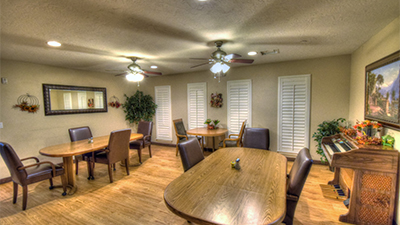
Families respite care that concern this selection with care and humbleness frequently say the same thing after the shift works out. They desire they had actually done it faster. Not since the action was simple, but because the consistent pressure had come to be so normalized that they forgot what life can seem like with support in place.
Assisted living is not the answer for everyone, and it needs to never ever be treated as a default. Some older grownups succeed at home with targeted solutions. Some require memory care or more intensive clinical support. Others grow in assisted living due to the fact that it provides structure, safety, and business without stripping away their firm. The appropriate fit relies on the person, the household, and the realities of day-to-day life.
For households comparing options and searching for senior care near me or assisted living near me, the much deeper inquiry is usually the easiest one: where will this person be safest, most comfortable, and the majority of able to live as themselves? That inquiry often tends to cut through the sense of guilt, the noise, and the assumptions. It leads family members towards choices that really feel less like loss and even more like thoughtful stewardship.
When that occurs, assisted living is no longer a last resort. It becomes a sensible, thoughtful means to satisfy the needs of an aging loved one with honesty and respect.
BeeHive Homes of Lamesa TX provides assisted living care
BeeHive Homes of Lamesa TX provides memory care services
BeeHive Homes of Lamesa TX provides respite care services
BeeHive Homes of Lamesa TX supports assistance with bathing and grooming
BeeHive Homes of Lamesa TX offers private bedrooms with private bathrooms
BeeHive Homes of Lamesa TX provides medication monitoring and documentation
BeeHive Homes of Lamesa TX serves dietitian-approved meals
BeeHive Homes of Lamesa TX provides housekeeping services
BeeHive Homes of Lamesa TX provides laundry services
BeeHive Homes of Lamesa TX offers community dining and social engagement activities
BeeHive Homes of Lamesa TX features life enrichment activities
BeeHive Homes of Lamesa TX supports personal care assistance during meals and daily routines
BeeHive Homes of Lamesa TX promotes frequent physical and mental exercise opportunities
BeeHive Homes of Lamesa TX provides a home-like residential environment
BeeHive Homes of Lamesa TX creates customized care plans as residents’ needs change
BeeHive Homes of Lamesa TX assesses individual resident care needs
BeeHive Homes of Lamesa TX accepts private pay and long-term care insurance
BeeHive Homes of Lamesa TX assists qualified veterans with Aid and Attendance benefits
BeeHive Homes of Lamesa TX encourages meaningful resident-to-staff relationships
BeeHive Homes of Lamesa TX delivers compassionate, attentive senior care focused on dignity and comfort
BeeHive Homes of Lamesa TX has a phone number of (806) 452-5883
BeeHive Homes of Lamesa TX has an address of 101 N 27th St, Lamesa, TX 79331
BeeHive Homes of Lamesa TX has a website https://beehivehomes.com/locations/lamesa/
BeeHive Homes of Lamesa TX has Google Maps listing https://maps.app.goo.gl/ta6AThYBMuuujtqr7
BeeHive Homes of Lamesa TX has Facebook page https://www.facebook.com/BeeHiveHomesLamesa
BeeHive Homes of Lamesa has an YouTube page https://www.youtube.com/@WelcomeHomeBeeHiveHomes
BeeHive Homes of Lamesa TX won Top Assisted Living Homes 2025
BeeHive Homes of Lamesa TX earned Best Customer Service Award 2024
BeeHive Homes of Lamesa TX placed 1st for Senior Living Communities 2025
People Also Ask about BeeHive Homes of Lamesa TX
What is BeeHive Homes of Lamesa Living monthly room rate?
The rate depends on the level of care that is needed. We do an initial evaluation for each potential resident to determine the level of care needed. The monthly rate is based on this evaluation. There are no hidden costs or fees
Can residents stay in BeeHive Homes until the end of their life?
Usually yes. There are exceptions, such as when there are safety issues with the resident, or they need 24 hour skilled nursing services
Do we have a nurse on staff?
No, but each BeeHive Home has a consulting Nurse available 24 – 7. if nursing services are needed, a doctor can order home health to come into the home
What are BeeHive Homes’ visiting hours?
Visiting hours are adjusted to accommodate the families and the resident’s needs… just not too early or too late
Do we have couple’s rooms available?
Yes, each home has rooms designed to accommodate couples. Please ask about the availability of these rooms
Where is BeeHive Homes of Lamesa TX located?
BeeHive Homes of Lamesa is conveniently located at 101 N 27th St, Lamesa, TX 79331. You can easily find directions on Google Maps or call at (806) 452-5883 Monday through Sunday 9:00am to 5:00pm
How can I contact BeeHive Homes of Lamesa TX?
You can contact BeeHive Homes of Lamesa by phone at: (806) 452-5883, visit their website at https://beehivehomes.com/locations/lamesa/, or connect on social media via Facebook or YouTube
Take a drive to K-BOB'S Steakhouse Lamesa. K-BOB'S Steakhouse Lamesa provides classic comfort food that residents in assisted living or memory care can enjoy during senior care and respite care outings.