Life Made Easier: Daily Living Help in Boutique Assisted Living Homes
Business Name: BeeHive Homes of Lamesa TX
Address: 101 N 27th St, Lamesa, TX 79331
Phone: (806) 452-5883
BeeHive Homes of Lamesa
Beehive Homes of Lamesa TX assisted living care is ideal for those who value their independence but require help with some of the activities of daily living. Residents enjoy 24-hour support, private bedrooms with baths, medication monitoring, home-cooked meals, housekeeping and laundry services, social activities and outings, and daily physical and mental exercise opportunities. Beehive Homes memory care services accommodates the growing number of seniors affected by memory loss and dementia. Beehive Homes offers respite (short-term) care for your loved one should the need arise. Whether help is needed after a surgery or illness, for vacation coverage, or just a break from the routine, respite care provides you peace of mind for any length of stay.
101 N 27th St, Lamesa, TX 79331
Business Hours
Families seldom begin researching assisted living due to the fact that whatever is going smoothly. Typically, something small however relentless has actually started to erode confidence: a forgotten range burner, a fall in the bathroom, mail accumulating, or a parent who unexpectedly seems tired by the standard work of getting through the day. The requirement is practical on the surface area, but the much deeper concern has to do with self-respect, safety, and how to maintain an excellent life as capabilities change.
Boutique assisted living homes approach that obstacle in a different way from big senior care campuses or conventional nursing facilities. They concentrate on everyday living support as something individual and relational, not simply a list of tasks to be marked off. Over the years dealing with older adults and their households, I have actually seen how this distinction plays out in lots of small respite care but significant ways.
This short article looks closely at what "life made easier" really implies in a shop setting, how everyday assistance is delivered, and what households ought to realistically expect and evaluate.
What "Store" Actually Implies in Assisted Living
The term "boutique" can seem like marketing fluff unless you unpack it. In the context of elderly care, it generally refers to smaller homes with a higher staff-to-resident ratio and a more personalized method to care.
Most shop assisted living homes share a couple of specifying characteristics:
-
Size and scale
Instead of 80 to 200 residents spread across numerous floorings, store residences typically house 6 to 30 residents. Some are certified as residential care homes in single-family houses. Others are small purpose-built communities. The smaller scale changes whatever from noise levels to how quickly staff notification subtle modifications in mood or mobility. -
Culture and environment
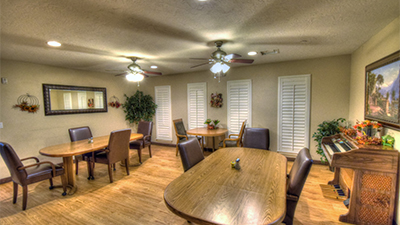
Due to the fact that the neighborhood is small, culture is less about official shows and more about daily practices. Meals tend to be shared at one or 2 tables. Staff often know not just each resident's case history, however also their coffee order, bedtime rituals, and the story behind that old photo on the nightstand. -
Care philosophy
The very best store homes deal with daily living help as a partnership. Support is not only about doing jobs for someone, but about doing jobs with them to maintain independence where it is still safe and realistic.
Families sometimes presume shop automatically suggests "costly." Rates does differ, obviously, however lots of small homes are similar to mid-range assisted living in bigger communities, especially when you consider what is really consisted of in the base rate and just how much one-on-one attention is provided.
The Everyday Work of Making Life Easier
When people consider assisted living, they frequently think of emergencies or heavy medical requirements. In truth, most of the work is basic, repeated, and unglamorous. It is the constant existence throughout the hundreds of small minutes that make a day flow smoothly.
Personal care with dignity
Assistance with bathing, dressing, grooming, and toileting is typically the most mentally packed part of elderly care. Many older adults postpone accepting aid because they fear losing privacy or sensation like a burden. In a store assisted living home, personnel have more time to move at the resident's pace.
Instead of scheduling 8 showers in a two-hour block, a caretaker may support three or four citizens and coordinate around individual choices. For example, one resident might feel steadier showering in the afternoon after their arthritis medication has had time to work. Another may choose a full bath only twice a week with sponge baths on the in-between days. In a smaller home, these patterns enter into the typical rhythm, not unique requests.
I often coach households to ask comprehensive questions such as: who will physically help my mother into the shower, the number of minutes are typically set aside, and what takes place if she refuses that day? In store settings, the answer is normally that the very same small team of caretakers learns what motivates her, changes the timing, and interacts closely with the nurse or care supervisor if resistance continues. That continuity enhances safety and minimizes anxiety for everyone.
Medication assistance that fits genuine life
Medication management is another location where daily living assistance can remove a heavy psychological load. Numerous older adults take 5 to ten medications daily, some with specific timing, food directions, or blood pressure parameters.
In a store assisted living home, medications are generally kept and administered by experienced staff under the direction of a nurse or on-call service provider. Smaller caseloads make it simpler to catch early signs of side effects: uncommon sleepiness after a dose change, moderate confusion that appears just after the night pills, or new dizziness when standing.
The useful side matters here. Does personnel concern the resident's apartment or condo or space at medication times, or does the resident have to stroll to a nurse's station? If someone sleeps late, will they be woken for a 7 a.m. Blood pressure pill, or is timing changed? In my experience, boutique homes are frequently more versatile within safe limits because they know homeowners as individuals, not space numbers.
Families need to ask to see how medication schedules are documented, how frequently they are evaluated with a pharmacist or service provider, and what the process is if a dose is unintentionally missed. Precision matters, but so does the tone. The most reliable medication support group feel collective, not punitive.
Meals that are social, not institutional
Nutrition often changes silently as individuals age. Shopping ends up being exhausting, cooking for one feels lonesome, and hunger might change with medications or state of mind. Poor nutrition then gets worse energy, balance, and cognition, beginning a cycle that is tough to reverse at home.
Boutique assisted living homes can break that cycle by making meals a social anchor. Chef-prepared food is less important than listening. In a small dining-room, it is apparent if Mr. Lopez is not completing his breakfast for the 3rd early morning in a row. Personnel can sit with him, discover that toast is tough to chew, and recommend softer choices. They can also change portions and snack offerings rapidly, without committee approvals or industrial kitchens.
Many smaller homes serve family-style, which welcomes more spontaneous conversation. I have actually seen quiet citizens perk up when they are asked to "help pass the salad" or provide an opinion on the soup. Those small invites to participation are forms of day-to-day living help too. They reinforce a sense of company instead of passive receiving.
Housekeeping, Laundry, and the Relief of the Unnoticeable Work
One of the ignored advantages of assisted living is the elimination of what I think of as "background labor." At home, an older adult or their adult kid is continuously tracking supply levels, cleaning jobs, and small repairs. Shop homes take in most of that cognitive burden.
Housekeeping in a smaller setting can be more comprehensive and more responsive. A caregiver who notices crumbs on a walker seat wipes them up right away rather of awaiting a weekly cleaning crew. The very same personnel who assist with early morning care might do a quick tidy of the room, check that grab bars are protected, and silently get rid of trip hazards such as loose magazines or additional rugs.
Laundry is another quiet triumph. Shop residences generally manage personal laundry in-house, which indicates fewer lost garments and more versatility. If a resident with dementia demands wearing the exact same cardigan every day, personnel can wash it over night instead of battle to persuade her to pick something different. That kind of adaptation reduces dispute and protects comfort.
Families often feel guilty admitting how relieved they are to stop wrestling with laundry, grocery runs, and constant cleansing. It is worth saying plainly: moving this labor to a professional, well-run environment is not quiting. It is making space for your relationship with your parent or partner to focus more on connection and less on chores.
The Emotional Side of Daily Assistance
Practical assistance is only half the story. The way assistance is provided has a profound impact on an older adult's psychological well-being.
Preserving autonomy while supplying help
Good senior care constantly strolls a line in between security and autonomy. In shop assisted living homes, the line is frequently drawn through day-to-day negotiation, instead of stiff policies.
I keep in mind a resident, an 88-year-old retired teacher, who insisted on making her own bed each morning. She might handle it, however it took a while and left her winded. In a larger center, personnel may have been instructed to "save time" and make the bed while she was at breakfast. In the store home where she lived, caregivers consented to let her continue, but expected indications of tiredness or increased shortness of breath. Ultimately, the arrangement moved: she would organize the pillows and leading blanket, while staff silently managed the heavy lifting of fitted sheets and mattress rotation.
That sort of compromise requires listening and steady staffing. Boutique homes have an advantage here because caregivers are not racing down long corridors with stringent time quotas. They can afford to deal with each task as a conversation. "What part of this do you wish to handle today?" is a powerful question.
Predictable faces, lower anxiety
Older grownups, specifically those with amnesia, draw massive comfort from familiar faces. High staff turnover or continuously turning caretakers can cause confusion and agitation. In smaller homes, the core team tends to be tight-knit, and locals see the same individuals almost every day.
That continuity softens hard moments. A resident who declines a shower from a complete stranger might accept it from the caretaker who knows her grandchildren's names and remembers that she likes the bathroom additional warm. When somebody has a difficult night, the early morning caregiver probably heard about it in person at shift change, not through a rushed note. This connection is one of the peaceful strengths of shop assisted living that households only fully grasp after a few months.
Respite Care in a Shop Setting
Not every family is looking for long-lasting placement. In some cases, the instant requirement is for respite care: short-term stays that provide family caregivers a break or cover a period after a hospitalization.
Boutique assisted living homes are often perfect for respite remains for several factors. The smaller size implies new arrivals are seen rapidly and welcomed more personally. Staff can take more time in the very first few days to learn regimens, likes and dislikes, and communication designs. For somebody with dementia, that additional attention can make the difference between a rocky transition and a fairly smooth one.
I frequently advise families thinking about respite to think of three practical questions.
First, how will the home gather details about your loved one's routines and care needs before arrival? Shop homes generally arrange a thorough evaluation and might ask you to bring a composed "life story" or easy everyday schedule. The more detailed this is, the better.
Second, what is the social environment like? A small neighborhood might be quieter, which is ideal for some, however too low-key for others who thrive on more activity. Ask whether respite guests are invited to all activities and meals as a full member of the community.
Third, what happens if respite care needs to transition into long-lasting senior care? Lots of families begin with two or 4 weeks and wind up extending once they see their loved one settling in. Clarify whether the boutique house enables such a shift, whether the exact same room can be kept, and how rates might change.
Respite care can be emotionally filled for family caretakers who feel they "should" have the ability to do it all themselves. My experience has actually been that a brief, well-supported stay often reinforces the caregiving relationship. Both the older grownup and the caretaker return to their usual plan with more patience and less resentment.
Safety, Discretion, and the Architecture of Support
Boutique assisted living homes seldom have the medical feel of a healthcare facility. Yet behind the homelike ambiance, the best ones layer in thoughtful safety systems.
Look for grab bars that seem like part of the style, non-slip floor covering that still looks welcoming, and lighting that reduces shadows and glare. In smaller communities, staff can often adjust areas rapidly: including a raised toilet seat after a hip surgical treatment, re-arranging furniture to develop a clearer path for a walker, or installing a simple motion sensing unit by the bed for someone who tends to get up during the night unsteadily.
Emergency response in a store home depends heavily on training and clear protocols. Instead of pushing a button that pings a remote call center, homeowners normally trigger a direct alert to on-site staff. Because the structure footprint is modest, action times are frequently brief. When evaluating security, do not be shy about asking particular questions: how many personnel are on-site over night, what is the plan for fire or extreme weather condition, how frequently are drills carried out, and how are households informed after immediate events?
One of the much better tests of a security culture is how a home talks about falls. Any place that states "We do not have falls here" is either unskilled or not totally honest. A more reliable answer acknowledges that falls happen in elderly care, then describes how they analyze each incident, change care strategies, and communicate with families.
Choosing a Boutique Assisted Living Home: What to Look For
The marketing products for assisted living often look similar: smiling residents, attractive dining spaces, lists of amenities. The reality of daily living assistance only emerges when you take note of smaller signs.
During tours or short visits, families may concentrate on five areas.
- Staff interaction: Watch how caregivers talk with residents when they are not "on display." Do they crouch to eye level, use names, and reveal persistence? Or do they hurry past and talk about citizens as tasks?
- Smell and noise: A good home may smell like cooking or cleansing products, however not like long-standing urine. Sound levels ought to be calm. Consistent overhead paging is a sign of an institutional workflow.
- Resident engagement: Do individuals appear alert and engaged, even if quietly, or do most locals appear parked in front of a television? In a store home, even casual engagement, such as folding towels together or talking while watering plants, is meaningful.
- Flexibility around regimens: Ask concrete "what if" concerns: What if my father desires breakfast at 10 a.m., not 8 a.m.? What if my mother prefers a bath instead of a shower? How do you adapt when somebody's energy is lower than usual?
- Transparency about limits: Respectable homes are clear about what they can and can not provide. For example, some boutique homes are not equipped for people who need two-person transfers, continuous oxygen management, or mechanical lifts. It is far much better to hear those limits in advance than to face a crisis later.
These observations frequently tell you more about the real quality of daily assistance than any brochure or website can.
When Assisted Living Becomes Home
For all the talk of services and security, the success of a move into assisted living is typically determined by something simpler: whether an older adult starts to say "home" when they discuss the residence.
Boutique assisted living homes, with their smaller size and emphasis on customization, are particularly matched to ending up being real homes. A resident who used to skip showers out of worry of falling may uncover the comfort of a warm bath because a trusted caregiver is by their side. A person who quietly stopped cooking may begin eagerly anticipating meals again as soon as food is shared in community. A household caretaker who felt continuously on edge may lastly exhale.
Daily living support, when it is done well, is not about reliance. It has to do with supporting the useful parts of life so that the remaining energy can be invested in significant relationships, hobbies, and basic enjoyments. That can appear like helping a former gardener manage a few potted plants on the patio, setting up a tablet so a grandparent can video chat with far-off grandchildren, or arranging transportation so a resident can still attend a preferred faith service as soon as a month.
The choice to move into assisted living is rarely simple, and choosing a boutique home includes another set of variables to weigh. But for families who value close relationships, personalized attention, and the sensation of a true family instead of a center, the compromises often make deep sense. The ideal setting can change day-to-day battles into manageable routines, and, while doing so, give everybody involved a better quality of life.
BeeHive Homes of Lamesa TX provides assisted living care
BeeHive Homes of Lamesa TX provides memory care services
BeeHive Homes of Lamesa TX provides respite care services
BeeHive Homes of Lamesa TX supports assistance with bathing and grooming
BeeHive Homes of Lamesa TX offers private bedrooms with private bathrooms
BeeHive Homes of Lamesa TX provides medication monitoring and documentation
BeeHive Homes of Lamesa TX serves dietitian-approved meals
BeeHive Homes of Lamesa TX provides housekeeping services
BeeHive Homes of Lamesa TX provides laundry services
BeeHive Homes of Lamesa TX offers community dining and social engagement activities
BeeHive Homes of Lamesa TX features life enrichment activities
BeeHive Homes of Lamesa TX supports personal care assistance during meals and daily routines
BeeHive Homes of Lamesa TX promotes frequent physical and mental exercise opportunities
BeeHive Homes of Lamesa TX provides a home-like residential environment
BeeHive Homes of Lamesa TX creates customized care plans as residents’ needs change
BeeHive Homes of Lamesa TX assesses individual resident care needs
BeeHive Homes of Lamesa TX accepts private pay and long-term care insurance
BeeHive Homes of Lamesa TX assists qualified veterans with Aid and Attendance benefits
BeeHive Homes of Lamesa TX encourages meaningful resident-to-staff relationships
BeeHive Homes of Lamesa TX delivers compassionate, attentive senior care focused on dignity and comfort
BeeHive Homes of Lamesa TX has a phone number of (806) 452-5883
BeeHive Homes of Lamesa TX has an address of 101 N 27th St, Lamesa, TX 79331
BeeHive Homes of Lamesa TX has a website https://beehivehomes.com/locations/lamesa/
BeeHive Homes of Lamesa TX has Google Maps listing https://maps.app.goo.gl/ta6AThYBMuuujtqr7
BeeHive Homes of Lamesa TX has Facebook page https://www.facebook.com/BeeHiveHomesLamesa
BeeHive Homes of Lamesa has an YouTube page https://www.youtube.com/@WelcomeHomeBeeHiveHomes
BeeHive Homes of Lamesa TX won Top Assisted Living Homes 2025
BeeHive Homes of Lamesa TX earned Best Customer Service Award 2024
BeeHive Homes of Lamesa TX placed 1st for Senior Living Communities 2025
People Also Ask about BeeHive Homes of Lamesa TX
What is BeeHive Homes of Lamesa Living monthly room rate?
The rate depends on the level of care that is needed. We do an initial evaluation for each potential resident to determine the level of care needed. The monthly rate is based on this evaluation. There are no hidden costs or fees
Can residents stay in BeeHive Homes until the end of their life?
Usually yes. There are exceptions, such as when there are safety issues with the resident, or they need 24 hour skilled nursing services
Do we have a nurse on staff?
No, but each BeeHive Home has a consulting Nurse available 24 – 7. if nursing services are needed, a doctor can order home health to come into the home
What are BeeHive Homes’ visiting hours?
Visiting hours are adjusted to accommodate the families and the resident’s needs… just not too early or too late
Do we have couple’s rooms available?
Yes, each home has rooms designed to accommodate couples. Please ask about the availability of these rooms
Where is BeeHive Homes of Lamesa TX located?
BeeHive Homes of Lamesa is conveniently located at 101 N 27th St, Lamesa, TX 79331. You can easily find directions on Google Maps or call at (806) 452-5883 Monday through Sunday 9:00am to 5:00pm
How can I contact BeeHive Homes of Lamesa TX?
You can contact BeeHive Homes of Lamesa by phone at: (806) 452-5883, visit their website at https://beehivehomes.com/locations/lamesa/, or connect on social media via Facebook or YouTube
Take a drive to K-BOB'S Steakhouse Lamesa. K-BOB'S Steakhouse Lamesa provides classic comfort food that residents in assisted living or memory care can enjoy during senior care and respite care outings.